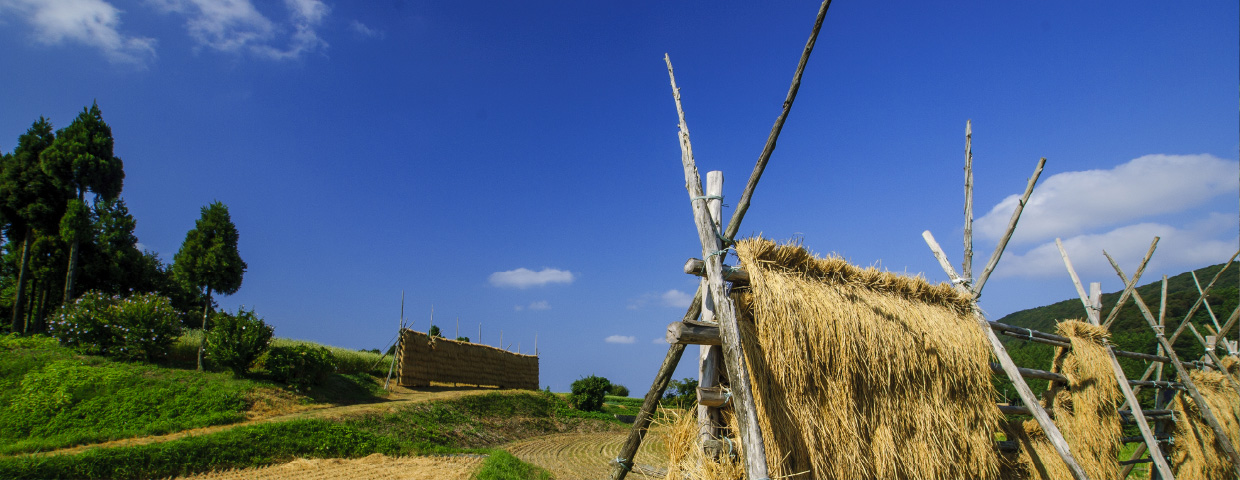
The Satoyama Initiative aims to conserve sustainable human-influenced natural environments (Socio-Ecological Production Landscapes and Seascapes; SEPLS) through broader global recognition of their value.
The partnership, IPSI, comprises organisations committed to support SEPLS for the benefit of biodiversity and human well-being through the implementation of their respective activities. Please refer to Paris Declaration and other materials for further information.
30/04/2013
We are very pleased to share the April 2013 newsletter of the International Partnership for the Satoyama Initiative (IPSI) in addition to the complete archive of past issues.
26/12/2012
Dr. Anil Kumar, Director of the Community Agro-biodiversity Centre of the M S Swaminathan Research Foundation, a member of the IPSI Steering Committee, gave a lecture on “Community Management of Agro-biodiversity for Food and Agriculture in India” at the United Nations University Institute of Advanced Studies (UNU-IAS) on 18 December 2012.
04/12/2012
The Secretariat is pleased to share the IPSI Strategy, which was unanimously endorsed by the Assembly at the Third IPSI Global Conference (IPSI-3) in Hyderabad, India on 6 October 2012.

29/10/2012
Marking two years since IPSI’s launch in October 2010 concurrent with CBD COP10, the Third IPSI Global Conference (IPSI-3) was held back-to-back with CBD COP11 in Hyderabad, India under the theme “Contribution to Achieving the Aichi Biodiversity Targets” co-hosted by the Ministry of Environment and Forests, Government of India.

25/04/2012
The Second IPSI Global Conference was held in Nairobi, Kenya at the World Agroforestry Centre (ICRAF) on 13-14 March 2012. In addition to representatives of IPSI member organizations and public participants, members of the media came to learn more about the Satoyama Initiative and report back to their audiences.

01/05/2013
In an appropriate coincidence, experts and audience members gathered on Earth Day (22 April 2013) at the United Nations University Institute of Advanced Studies (UNU-IAS) to learn more about the resilience of the world’s socio-ecological production landscapes and seascapes (SEPLS). The public symposium featured speakers from Bioversity International and the United Nations Development Programme.